
When a loved one passes away, families are faced with decisions that can feel overwhelming during a time of grief. One of the most important choices is how to honor their memory. For many, the practice of cremation offers both simplicity and dignity.
Understanding how the cremation process works can provide reassurance and help families feel confident that their loved one’s remains are being cared for with respect at every stage. This guide walks through the entire cremation process, step by step, so that you and your family members know exactly what to expect.
Table of Contents
The Cremation Process
- Simple and Respectful: Families can feel reassured knowing that the practice of cremation follows clear, dignified steps from transfer to the return of the loved one’s remains.
- Proper Authorization Ensures Peace Of Mind: The medical examiner provides the required cremation permit, guaranteeing that the funeral home follows legal and ethical guidelines.
- Cremation Works With All Beliefs: The process can be adapted to honor diverse religious beliefs, personal traditions, and cultural practices.
- Cremation Options Provide Flexibility: Families may choose from direct cremation, a full funeral service, or eco-friendly options like green cremation, depending on their needs.
- Loved One’s Remains Are Returned With Care: Whether in a temporary or a more personal urn, the family receives the loved one’s cremated remains with dignity.
A Brief History Of Cremation
Throughout history, human cultures have honored the deceased with rituals of remembrance, and cremation, which dates back thousands of years, has long been part of that tradition. In ancient Greece, cremation was often seen as a noble way to honor warriors, with the practice continuing into the fifth century as a respected tradition.
Over time, cultural perspectives shifted, but cremation has endured as a meaningful method of caring for human remains. Today, with the use of modern cremation furnaces, the process has evolved into a safe, efficient, and highly dignified option chosen by families worldwide.
The Stages of the Cremation Process
After centuries of tradition, cremation has become a carefully structured service guided by compassion and professionalism. Families who choose this option can expect a series of clear steps — from the first phone call to the respectful return of their loved one’s cremated remains.
1. It Starts With a Phone Call
This stage is often one of the most difficult for family members, but knowing that professionals are handling everything can ease stress and provide comfort. It begins with a simple phone call.
Once the funeral home or cremation provider receives the call, a professional transfer team is dispatched, usually within 90 minutes, to bring your loved one into care. A metal ID tag is typically placed with the loved one at this stage. This essential element remains with the individual throughout the entire cremation process, ensuring proper identification and complete peace of mind.
2. Arranging Transportation
After the loved one has been transferred to the cremation facility, families are notified. Here, staff carefully collect the needed information for the death certificate and explain what comes next.
At this point, the funeral home may also discuss different cremation options such as direct cremation, a funeral service with cremation, or a cremation ceremony that incorporates religious beliefs or cultural traditions.
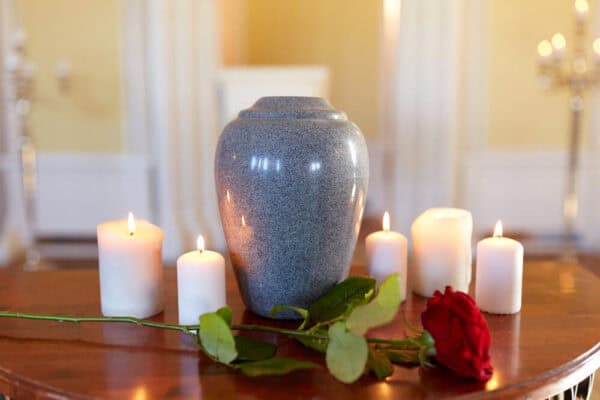
This is also when families learn about urns and containers. While some choose to keep their loved one’s remains in a temporary urn, others select a more personal urn that reflects their loved one’s life and legacy. Having choices ensures the process can be tailored to the family’s wishes.
3. Handling the Paperwork
Before cremation can begin, there are important legal requirements to meet. Families meet with a funeral director to confirm details, complete forms, and secure the proper authorization from the local medical examiner or coroner. This step includes registering the death certificate with the state and obtaining a cremation permit.
While this may sound complicated, the funeral home staff handles the bulk of the paperwork, making the process as simple and stress-free as possible for family members. Families may also select a personal urn during this meeting, giving them time to consider how they would like their loved one’s remains to be kept or displayed.
4. Cremation
Once all paperwork and authorizations are complete, staff perform required safety checks. Any medical devices that could be hazardous in high heat, such as pacemakers, are removed. The metal ID tag remains with the loved one throughout the entire cremation process for accurate identification.
The loved one is then placed into a cremation chamber, also known as a modern cremation furnace. These chambers reach very high temperatures, usually between 1,400 and 1,800 degrees Fahrenheit. Over two to three hours, the heat reduces the body to bone fragments. Only one individual is placed in the chamber at a time.
After a cooling period, the bone fragments are carefully processed into a fine, sand-like consistency. The cremated remains are placed into a temporary container or a personal urn selected by the family. At this point, the family is notified that their loved one’s cremated remains are ready.
5. Returning the Remains
The final step is ensuring that the loved one’s remains are returned to the family with care and dignity. From there, families decide how to memorialize their loved one, whether that means scattering the ashes in a meaningful place, placing them in a columbarium, creating cremation art, or holding a more formal funeral service. Every option ensures that the loved one’s memory is honored in a way that feels right for the family.
Dignity, Simplicity, and Choice
The cremation process is built on three essential elements: dignity, simplicity, and flexibility. Unlike a traditional burial, cremation offers families the ability to create a memorial experience that is meaningful and personal.
For some, a direct cremation is the best fit, while others may choose to pair cremation with a ceremony that incorporates their faith or traditions. Environmentally conscious families may also explore green cremation as a sustainable alternative.
No matter which cremation options are chosen, the goal is always the same: to honor the loved one’s life while easing the burden on those left behind.
Our Promise to Families
At AccuCare Cremation & Funeral Services, we understand how difficult it is to lose a loved one. That’s why our mission is to make the entire cremation process simple, affordable, and dignified. With prices as low as $895, we provide:
- Low-cost cremation & funeral price packages
- An easy-to-arrange cremation process
- A low price guaranteed
- Caring, experienced staff to guide you every step of the way
With locations in Carlsbad, CA, Fullerton, CA, and Phoenix, AZ, we are here to serve families with compassion and professionalism. Contact us today at 844-542-0793 to learn more about our affordable, dignified cremation services and how we can help you during this time of need.